What the Patient Rights Act means for you as a patient

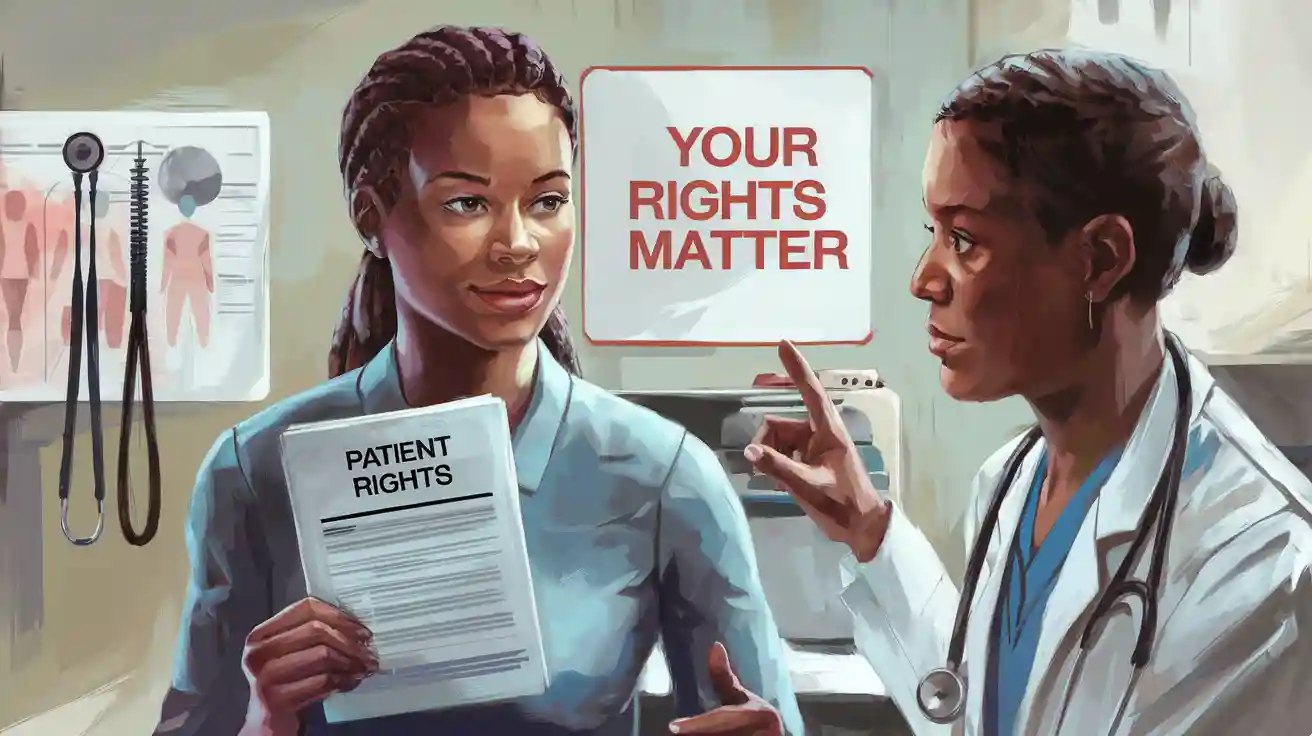
You have legal protection when you use health services in the UK. Patient rights come from laws and charters in Scotland and England. These rights help you make choices and ensure you get respect and fair treatment. Every year, the NHS receives over 100,000 complaints about hospital care, showing how important it is for you to know your rights. If you ever feel unsure or need help, support is always available.
Key Takeaways
Learn about your patient rights. This helps you get fair and kind care in hospitals. You can say yes or no to treatment. Always ask questions. Make sure you know your choices before you agree. You can see your medical records. Ask for them and get an answer in one month. If you think your rights are not respected, tell someone right away. Use the complaints process to share your worries. Advocacy services can help you know your rights. They can also help you make a complaint.
Patient Rights Explained
If you are a patient in the UK, you have rights protected by law. These rights come from important papers and Acts. They tell you what you should expect from healthcare services. You can see the main legal papers in the table below:
Document Name | Description |
|---|---|
Lists patient rights and responsibilities in the NHS in England. | |
Care Act 2014 | Tells local authorities to check the needs of adults who need care and support. |
Mental Capacity Act | Helps people make their own choices and supports them. |
Duty of Candour (Scotland) | Makes healthcare groups be honest and talk openly with patients. |
Your rights as a patient are for everyone. It does not matter how much money you have or where you live. You can sign up with a GP and get care that meets national rules.
Consent and Choice
You can make choices about your treatment. Consent means you must say yes before a doctor or nurse does a test or treatment. For consent to count, you must understand the facts, choose freely, and be able to decide. The law says you can change your mind whenever you want. Doctors must tell you the risks and benefits. You can ask questions before you choose.
Aspect | Description |
|---|---|
You must say yes before any medical treatment, test, or check. | |
Valid Consent Requirements | Consent must be given freely, with good information, and by someone who can decide. |
Ongoing Consent Process | You can take back your consent at any time. Doctors must check your consent is still valid. |
You can say yes or no to treatment. Your choices are important, and staff must respect them.
Access to Information
You can see your medical records and know what is happening with your care. You can ask for your records using a Subject Access Request. The law says the NHS must reply within one month. You do not have to pay unless you ask for too much. You can ask for your records in writing or by speaking.
You can ask for your records whenever you want.
The NHS must answer you within one month.
If there is a delay, you must be told why.
GPs must let you see your full medical history online if you ask. Parents can see records for children under 12. Older children must agree first. Your rights mean you can check your information and ask for changes if something is wrong.
Dignity and Respect
You must be treated with dignity and respect all the time. The NHS and other healthcare groups must care for you with skill and kindness. The Human Rights Act and NHS rules protect you from unfair treatment and neglect. Hospitals must take complaints about dignity as seriously as complaints about waiting times.
You must be treated fairly, whatever your age, gender, race, or background.
Staff must listen to you and include you in choices.
You can complain if you feel you were not treated with respect.
The NHS has special plans to make sure older patients are not ignored. If you feel your dignity was not respected, you can speak up and expect help.
Confidentiality
Your personal information is private. Healthcare staff must keep your details safe and only share them when needed. You have the right to know how your data is used and to ask for changes. You can say yes or no to sharing your information.
Mechanism | Description |
|---|---|
Common Law | You can take legal action if your privacy is broken. |
Statute Law | Data protection laws control how your information is used and punish those who break the rules. |
Contract of Employment | NHS staff must follow strict rules about keeping information private. |
Regulatory Bodies | Professional groups can punish staff who break privacy rules. |
Privacy is your right. The healthcare team must ask you before sharing any private information.
Sometimes privacy is not protected. Between July 2011 and June 2012, there were 186 serious data breaches in England. Your rights as a patient help protect you from these problems, and you can act if your privacy is not respected.
Impact on Your Care
GP Services
When you visit your GP, patient rights shape your experience from the moment you walk in. You have the right to safe, high-quality care without discrimination. Your GP must explain your treatment options in a way you understand. You can ask questions and expect clear answers. If you know your rights, you often receive more detailed explanations and better communication.
What Patient Rights Mean at Your GP | How This Affects You |
|---|---|
Right to participate in decisions | You help choose your treatment plan |
Right to pain management | You can discuss pain relief options |
Right to clear explanations | You understand your diagnosis and next steps |
If you feel unsure, you can always ask your GP to explain things again. Your choices matter.
Hospital Treatment
Patient rights also guide your care in hospital. You can choose your provider for planned treatments, which may help you get seen sooner. If you wait more than 18 weeks for treatment, you can ask to move to another provider. Hospitals must respect your right to consent or refuse treatment. Staff should involve you in every decision about your care.
Patient Rights in Hospital | What This Means for You |
|---|---|
Right to choose providers | You can select where you receive care |
You can switch if waiting times are too long | |
Right to informed consent | You decide what treatments you accept |
You play an active role in your hospital care. Your voice shapes your treatment plan.
Mental Health Care
In mental health services, patient rights protect your dignity and safety. The Mental Health Act ensures you have safeguards, especially if you are detained. You can access an independent advocate to help you understand your rights and speak up for you. The Human Rights Act means your needs and wishes must be considered in all decisions.
You have the right to be treated with respect and to live in safe conditions.
You can challenge decisions about your care, including involuntary treatment.
Advocacy groups work to improve mental health laws and protect your rights.
If you feel your rights are not respected, you can ask for help from an advocate or support group.
If Your Rights Are Not Respected
Making a Complaint
If your rights are not respected, you can take action. You do not have to wait until the end of your care. You can speak up at any time. Here are some steps you can follow:
Speak Up: Tell someone on your care team about your worries. You can talk to a nurse, doctor, or even the receptionist.
Contact Customer Relations: If you need more help, call the hospital’s Customer Relations team. They will listen and try to help you.
Request a Hospital Administrator: If it is outside normal hours, ask your nurse for a hospital administrator.
You have the right to be listened to. The NHS takes complaints seriously and tries to fix problems quickly.
Advocacy and Support
Advocacy services help you know your rights and speak up. They support you if you feel confused or worried. There are different types of advocacy you can use:
Advocacy Service | Description |
|---|---|
Patient Advocacy | Helps protect your human and legal rights. |
NHS Complaints Advocacy | Supports you when you complain about NHS care. |
Community Advocacy | Helps you speak up in health and social care. |
Independent Mental Health Advocacy (IMHA) | Supports your rights under the Mental Health Act. |
Independent Mental Capacity Advocacy (IMCA) | Helps if you cannot make some decisions. |
Care Act Advocacy | Gets you involved in council care decisions. |
Secure and Complex Advocacy Services | Supports people in secure places. |
Cross Regulatory Lay Advocacy Service | Raises worries about health and care staff. |
You can also get help from groups like Advonet, Articulate Advocacy CIC, and Leeds Independent Health Complaints Advocacy.
Legal Steps
If complaints and advocacy do not work, you can think about legal action. The law protects your rights and can help change things in healthcare. Here are some ways the law can help you:
Legal Mechanism | Description |
|---|---|
Shows serious or repeated rights problems and makes organisations answer for them. | |
Human Rights Framework | Lets you check and challenge human rights problems in healthcare. |
Legal steps are usually the last thing to try. You can ask a solicitor or advocacy group for advice before you act.
Help and Information
NHS Support
There are many ways to get help from the NHS. NHS helplines can give you advice about services and complaints. You can call NHS 111 if you need urgent help. In Scotland, you can call NHS 24. The NHS Constitution and the Patient Rights (Scotland) Act explain what care you should get. These resources tell you how to use health services and get good care. They also help you learn how to make choices about your treatment.
The Charter of Patient Rights and Responsibilities tells you what you should get when you use NHS services in Scotland. It also explains what you can do if you think your rights were not respected.
You can ask for leaflets or booklets at your GP surgery or hospital. These leaflets use simple words to explain your rights.
Independent Advice
If you want advice from outside the NHS, many groups can help you. They give support, advocacy, and information about health and social care. You can use these services if you need help with a complaint. You can also use them if you want to know more about your choices.
Organisation Name | Description | Link |
|---|---|---|
General advice and support for patient rights | ||
Support and advocacy for health and social care | ||
Advocacy for disabilities | ||
Mental health advocacy services | ||
Regional mental health advocacy | ||
AgeUK (NI Branch) | Advocacy for older people | |
Mencap (NI) | Support for learning disabilities | |
Advocacy for learning, physical, and mental health | ||
The Law Centre NI | Legal advice and support |
Useful Contacts
You can use websites to learn more about your rights as a patient. These sites have guides, videos, and webinars about patient rights and healthcare law.
Resource Name | Description |
|---|---|
Main place for patient rights resources in the UK. | |
Educational series about the NHS Constitution. | |
Key ideas in healthcare law and ethics. | |
Educational materials and talks. | |
Webinar about privacy and legal worries. | |
Information about human rights in healthcare. |
You can also read the NHS Constitution for England and the Patient Rights (Scotland) Act to learn more about your rights. These documents help you know what care you should get and what to do if something goes wrong.
Knowing your patient rights helps you control your healthcare. When you understand your rights, you can make good choices. You will feel more sure about your decisions. Hospitals that care about patient rights give better care. Staff follow the rules more closely.
Evidence Type | Description |
|---|---|
Hospital Accreditation | Focuses on patient rights and improves care and staff behaviour. |
Education and Training | Staff learn about patient rights and give better care. |
Patients who know their rights often cope better. They enjoy life more and feel happier with their care. If you worry about something, you can always get help. Learning about your rights helps you get safe and respectful care.
FAQ
What should you do if you feel your rights are ignored?
You should speak to a member of staff straight away. You can also ask for the complaints procedure. If you need help, contact an advocacy service. They will support you and explain your options.
What information can you access about your care?
You can see your medical records, test results, and treatment plans. You have the right to ask for copies. The NHS must give you this information within one month.
What happens if you refuse treatment?
You can say no to any treatment. Doctors must respect your choice. They will explain what might happen if you refuse. You can change your mind at any time.
What support is available if you want to make a complaint?
You can get help from NHS complaints teams, advocacy groups, or Citizens Advice. These services guide you through the process and help you write your complaint.
What can you do if you think your data is not safe?
You can ask how your information is used and stored. If you worry about a data breach, report it to the NHS or the Information Commissioner’s Office. They will investigate your concern.
See Also
Essential Information Regarding Your Rights As An NHS Patient
Understanding Your NHS Patient Rights For The Year 2025
A Comprehensive Guide To Your Rights Under NHS Rules
Comparing NHS And Private Waiting Times: Key Patient Insights
Important Facts About NHS Waiting Times Every Patient Should Know
